
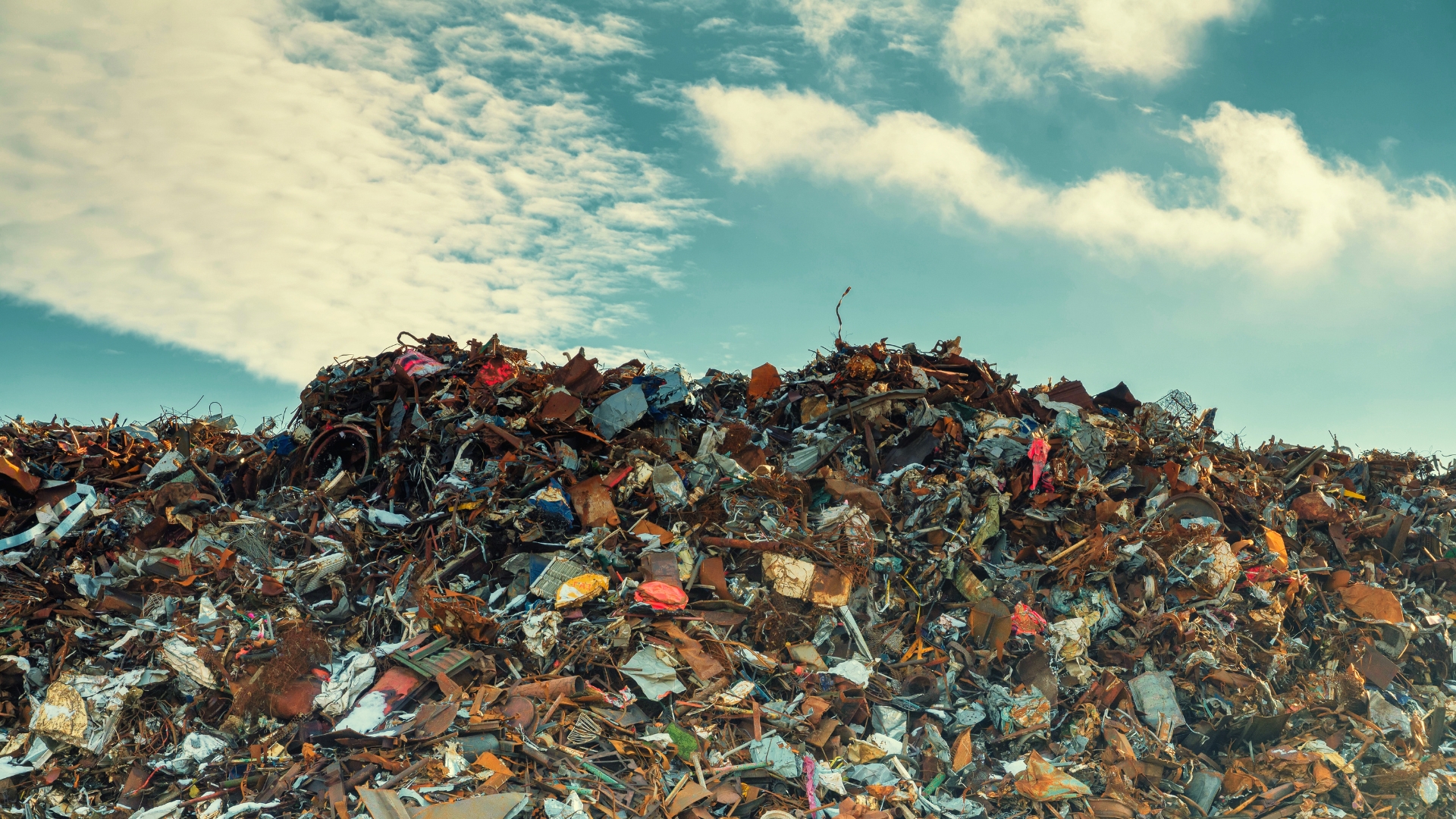







PT Pertamina (Persero) is developing a 30-megawatt waste-to-energy plant to process more than 1,000 tons of daily waste from the Yogyakarta, Sleman, and Bantul area of Indonesia, known collectively as Kartamantul. The state energy company announced the project on July 16, 2026, at the Waste to Energy Talks forum in Jakarta, positioning it as part of a broader government push to accelerate waste-to-electricity development nationwide.
Key Facts At A Glance
- Project name: PSEL (Pengolahan Sampah menjadi Energi Listrik) Kartamantul
- Developer: PT Pertamina (Persero)
- Projected capacity: 30 megawatts
- Coverage area: Kota Yogyakarta, Kabupaten Sleman, and Kabupaten Bantul
- Daily waste volume to be processed: more than 1,000 metric tons
- Technology: incinerator-based waste-to-energy conversion
- Electricity off-taker: state utility PT PLN (Persero)
- Government-set purchase price: US$0.20 per kilowatt-hour under a 30-year power purchase agreement, per Presidential Regulation No. 109 of 2025
- Announcement date and venue: July 16, 2026, at the Waste to Energy Talks forum in Jakarta
Pertamina, Indonesia’s state-owned oil and gas company, said it has been assigned to manage waste-to-energy development for the Kartamantul area under a government mandate distributed among several state enterprises as part of a national effort to address urban waste while expanding renewable generation capacity. Agung Wicaksono, Pertamina’s Director of Business Transformation and Sustainability, said the company will deploy incinerator technology to convert the region’s waste into electricity, which will then be delivered into PLN’s regional grid.
Technology And Emissions Controls
Wicaksono said incinerator technology was selected for its ability to reduce waste volume quickly while placing strict controls on exhaust emissions, including dioxins, a concern often raised about incineration-based waste processing. He said the approach is intended to prevent the waste problem from shifting from landfill accumulation to air pollution. He also said the efficiency of the plant’s processing will depend on the quality of waste sorting at the source, with better-sorted waste reducing technical challenges for the facility.
Financial Structure And State Enterprise Coordination
The project reflects coordination between two Indonesian state-owned enterprises, with Pertamina developing the facility and PLN serving as the electricity purchaser. Under Presidential Regulation No. 109 of 2025, the government has set a fixed purchase price of US$0.20 per kilowatt-hour for waste-to-energy electricity, with power purchase agreements running 30 years. The regulation, which also underpins a broader Indonesian push to fast-track waste-to-energy permitting, provides the commercial framework under which the Kartamantul project and similar facilities are expected to proceed.
Publicly available details on the project remain limited to Pertamina’s announcement at the Jakarta forum. The company has not yet disclosed a construction timeline, total investment figure, or start date for commercial operation. Pertamina said it intends to work with international partners to bring in waste-to-energy technology while ensuring technology transfer to Indonesian workers, though it did not name specific partners.